There is a reason inflatable party rentals keep showing up at birthdays, school fairs, and neighborhood block parties. They pull kids outside, burn energy, and turn a yard into something magical. The best events, though, are the ones where parents can relax while kids play hard, and where the setup crew packs up at the end with everyone smiling. That mix of safe fun and low stress does not happen by accident. It comes from a few smart decisions before you book, clear communication with your rental company, and thoughtful supervision during the event.
I have planned and supervised hundreds of inflatable setups, from a single bounce house in a tight townhouse yard to field days with inflatable obstacle courses, interactive games, and inflatable water slides Click here for info that need two blowers each. The patterns become obvious after a while. Below are the steps and small details that consistently separate good events from great ones.
Choosing the Right Inflatable for Your Space, Crowd, and Budget
The menu looks endless when you start browsing bounce houses for rent. You will see inflatable bounce houses, bounce house combos, bounce houses with slides, obstacle course bounce houses, carnival-style inflatable games, and towering water slides that make older kids forget they ever said they were too cool for parties. Matching an inflatable to your space and your guest list is the first fork in the road.
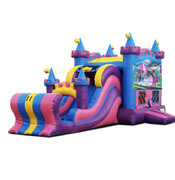
Compact yards with a single 15-amp circuit are a great fit for a standard 13 by 13 bounce house or a small combo unit with a short slide. These keep a birthday party moving without swallowing the whole lawn. They also stick to one blower, which matters if your power is limited. For mixed ages, especially when you expect a dozen or more kids, a bounce house combo gives you more play value without a dramatic increase in footprint.
Larger crowds and school events benefit from inflatable obstacle courses and interactive games. An obstacle course bounce house does a few things well. It moves a line quickly, it captivates teens who roll their eyes at regular bounce houses, and it spreads impact out along a track so you get fewer pileups. If you are coordinating a field day, pairing a 40 to 70 foot obstacle course with two or three short-play stations, like a Bungee Run or a Giant Jenga area, keeps energy high and wait times low.
Hot weather pulls you toward inflatable water slides. If you pick one, factor in access to a hose, the volume of runoff water, and the mess zone at the bottom. Water slides change the vibe. Kids wear swimsuits instead of socks, the lawn gets wet, and everyone cools off. Make sure that fits your space and your neighbors’ patience.
The last variable is budget. Expect a standard inflatable bounce house to start around the low hundreds for a day, with bounce house combos and interactive games stepping up from there. Large inflatable water slides and multi-element obstacle courses can run several hundred dollars more, especially in peak season weekends. A reputable company should tell you what affects price, including delivery distance, staffing, and whether your site demands extra setup time.
The Site Walkthrough That Prevents Surprises
A ten-minute site check saves an hour on event day. Look at four things: ground, clearance, power, and access.
Ground first. Inflatable games want level, open ground. A gentle slope is fine for most bounce houses, but water slides and tall units prefer close to level. Grass is ideal because stakes hold best. Artificial turf works if sandbags are used and the surface can handle weight and water. Driveways and gym floors are fine with proper padding and ballast, but they limit what can be safely anchored. Avoid overhead power lines. A safe clearance guideline for height is at least 5 feet above the top of the inflatable.
Now clearance. Measure the footprint and add a buffer of at least 5 feet around the edges. If the unit lists 15 by 15 feet, plan for a 20 by 20 foot pad. Watch tree branches, eaves, and fences. I have watched crews unload a beautiful 27 foot slide, then sigh as they spot the one cable sagging across the yard at 22 feet.
Power is next. Most blowers draw 7 to 12 amps each at 120 volts. A large slide might run two blowers. Put each blower on a dedicated 20 amp circuit if you can. Avoid running two big blowers on the same household circuit that also feeds your kitchen or garage fridge. If you must use extension cords, go with 12 gauge cords up to 100 feet, kept entirely uncoiled to prevent heat buildup. GFCI protection is non-negotiable near water and a good idea everywhere.
Lastly, access. A rolled inflatable weighs 150 to 600 pounds, sometimes more. The crew needs a clear path at least 36 inches wide. Stairs complicate everything. Tight turns through basements or up decks may be impossible. Ask the company for packed dimensions and how they plan to move the unit from truck obstacle course bounce house to site. Send photos. Good operators will tell you candidly when a unit will not fit.
Vendor Vetting That Actually Predicts Reliability
Most people ask for price, availability, and whether the unit looks fun. Ask a few extra questions and you will learn a lot about the company.
Ask what standards they follow for setup and anchoring. In the United States, ASTM F2374 is the safety standard for inflatable amusement devices. Listen for specifics like 18 inch steel stakes where staking is possible, or 45 to 90 pound sandbags per anchor point on surfaces where stakes cannot be used. Ask for their wind policy, including the exact shutdown wind speed. Responsible operators pause at sustained winds around 15 to 20 mph and will decline rooftop or high-exposure setups.
Request a certificate of insurance, ideally with you or your organization named as an additional insured for the event date. It should show general liability coverage, and if the company provides staff, workers’ compensation. If they balk at this, move on.
Finally, ask about cleaning procedures. The best shops clean and disinfect with quaternary ammonium compounds that are safe for vinyl, then fully dry the unit to prevent mildew. Bleach degrades vinyl seams over time, so it should not be their primary method.
A Short Pre-Booking Checklist
- Share photos and measurements of your site, including overhead clearance. Confirm power: number of blowers, circuit needs, and cord lengths. Ask for weather, wind, and rain policies in writing. Request a certificate of insurance and read the rental agreement. Clarify delivery and pickup windows, staffing, and any access challenges.
Managing Risk Without Killing the Fun
Every inflatable has rules printed on the entrance panel. Follow them, but also apply on-the-ground judgment. The most common issues come from age mixing, wind, and rough play.
Separate little kids from older kids. A five year old and a twelve year old bounce at different amplitudes. If you have a single unit with a mix of ages, create scheduled intervals. Ten minutes for the big kids, then ten for the small ones. Assign one adult as the marshal with a timer on a phone. It is not glamorous, but it works.
Wind is sneaky. Gusts can appear on a calm day, especially in open fields or near long corridors between buildings. Keep an eye on movement at the top of tall slides or the flags sometimes attached to ridgelines. If the top starts to sway or you hear a consistent flap, check a nearby handheld anemometer or a trusted weather app for live conditions. Shut down and deflate if winds sustain around 15 to 20 mph or if gusts make you uneasy. It is easier to reset than to explain an injury.
Rough play causes more injuries than equipment failure. Hold kids to feet first on slides. No flips. No climbing the outside walls. If you rent interactive games like joust or bungee run, limit participants to similar size and weight. Train your spotters to use their voice early, not after three close calls.
Setup Details That Pay Off All Day
Good crews bring a rhythm. They unroll the tarp, place the vinyl, anchor, connect blowers, and walk the seams. If you are hosting, your role is to make sure the pad is clear, power is ready, and the access route is unobstructed. Walk the site with the lead tech. Confirm where lines form, where shoes and glasses go, and where parents can stand out of the way but close enough to help.
If staking into grass, check for sprinklers and shallow utilities. In most regions, stakes go at least 18 inches deep, driven at a slight angle away from the inflatable. If you are unsure about underground services, call your utility locate service several days before the event. When staking is not possible, make sure enough ballast is on site. It is common to see four to six anchor points on a small unit and 10 or more on large slides. Each anchor needs adequate weight for the unit and expected wind.
Water inflatables demand a bit more planning. Dial back hose pressure to reduce overspray and make the slide lane slick without turning the yard into mud. Confirm drainage. Water will pool at the exit. Plan where it should go. Keep electrical connections away from water paths and elevated off the ground on a dry crate. Have towels ready for feet to avoid muddy tracks into the house.
Day-Of Flow, Signage, and Supervision
The event goes better when everyone knows the rules before they step on. Place a clean plastic bin for shoes and a smaller container for glasses and phones. Print a one-page rules sheet in large text and post it at eye level near the entrance. Simple phrasing works: jump feet first, no flips, slide one at a time, no food or drinks, and keep hands to yourself.
Think through lines. A bounce house builds a queue quickly, so put it where parents can watch without blocking the entrance. For obstacle courses, start the line where staff can release racers in pairs and immediately reset the start. At school events, adding a visible timer for head-to-head races turns waiting into a spectator sport and cuts line anxiety.
Staffing matters more than people expect. One attentive adult per inflatable is the minimum. Complex units with two entrances, like a combo or a large obstacle, benefit from two. They do not have to be barkers, just engaged. I coach volunteers to watch faces rather than feet. You will spot fatigue, fear, and rowdiness in expressions before it turns into a fall.
Weather, Cancellations, and What to Decide Early
Everyone hopes for blue skies. Good rental agreements describe what happens when you do not get them. Ask how the company handles cancellations for rain and wind. Most allow a reschedule credit if you cancel before delivery due to weather risks, but policies vary by region and season.
Light rain is often workable for regular bounce houses, but it makes entrances slippery and lowers visibility. Towel off vinyl, slow the pace, and be ready to pause. Water slides in rain can be fine as long as lightning is not in the area and wind stays within limits. If thunderstorms threaten, shut down, deflate, and move kids indoors. Build that possibility into your schedule so it does not feel like a failure, just a weather timeout.
Heat needs attention too. Dark vinyl gets hot by midafternoon in July. Shade the entrance, rotate play with indoor breaks, and enforce water breaks. You can cut ambient heat on vinyl with a quick spray, but do not create pools around electrical connections. I have seen more grumpy meltdowns prevented by a pop-up tent for shade than by any other extra.
Cleanliness and Health Without Overkill
Most reputable companies clean between rentals, but you can add a layer of assurance. Ask when the unit was last cleaned. If you want to spot clean during the day, keep a mild, vinyl-safe disinfectant and microfiber cloth on hand for high-touch areas like entrance steps and slide lanes. Avoid bleach. It fades colors and weakens seams. Dry any cleaned area before reopening to prevent slips.
Footwear rules keep inflatables cleaner and safer. Socks only for dry units. Bare feet are fine for water slides. No jewelry, no pocket items, and no gum. If you serve food nearby, keep sticky items like cotton candy away from entrances. Sugar on vinyl is a magnet for dirt and bees.
Illness protocols apply the same common sense you use at school or daycare. If a child looks feverish or has a stomach bug, they sit out. Tell parents in advance. No one wants to be the person who shuts down the party because of a preventable mess.
Power and Generator Tips That Avoid Tripped Breakers
If you have ever watched a bounce house sag mid-party, you know how quickly the mood can turn. The culprit is usually a tripped breaker. Put blowers on dedicated circuits whenever possible. If you need a generator, size it with headroom. A typical 1 to 1.5 horsepower blower draws in the neighborhood of 7 to 12 amps at 120 volts. Two blowers can pull 20 amps or more at startup. A 3500 to 5000 watt generator handles one large unit or two small ones with margin, but check the blower plates and ask your vendor. Use outdoor-rated cords and keep junctions above grass level where water will not collect.
Listen to the blowers. A sudden pitch change can mean an intake is blocked by a tarp or a bag, or a circuit is overloading. Assign one adult to do a quick blower check every 30 minutes. It takes seconds and can save your afternoon.
Accessibility and Inclusion Worth Planning For
A few small adjustments let more kids join the fun. Place mats at entrances to help with mobility aids. Offer quieter sessions for kids who get overwhelmed by noise. Many interactive games lend themselves to turn-based play rather than high-volume free-for-all. Bungee run, basketball shoots, or ring toss inflatables are excellent for kids who prefer structure and predictability. Share the schedule with parents ahead of time so they can pick a window that suits their child.
Night Events and Lighting
Evening parties feel special, but darkness hides hazards. Add soft, even lighting at entrances, exits, and queues. Avoid blinding spotlights aimed at slide exits. Run cables along fence lines or taped down under mats to prevent trips. Bugs crowd lights, so place them a few feet off to the side rather than directly at the entrance.
Noise carries more at night. If you are in a neighborhood, alert neighbors, end loud play by a reasonable hour, and plan for a calm wrap-up activity. Glow-in-the-dark lawn games make a smooth transition when inflatable blowers shut down.
Smart Layout and Crowd Flow
Picture the flow before the trucks arrive. Keep inflatables separated from food service and grilling by at least 15 feet. Put water slides downhill from seating if your yard slopes. Leave a walkway for emergency access. For larger events, build a simple U shape with inflatables facing inward and parents along the outer arc. That layout lets staff watch multiple entrances and funnels kids safely back to the center rather than out toward the street.
Offer a decompression zone with chairs and shade where kids can cool down. If you run a ticket or wristband system, use two colors to separate age groups. It makes spot checks gentle rather than confrontational.
The Day-Of Setup Sequence
- Walk the site with the crew lead and confirm placement. Clear the pad, lay tarps, and check anchoring points. Power up one unit at a time to avoid startup surges. Test entrances, zippers, and slide lanes before opening to guests. Brief volunteers on rules, rotations, and wind or weather triggers.
After the Party: Drying, Pickup, and Lawn Care
When the fun ends, deflation has its own choreography. Keep kids away from the unit while the crew opens zippers and the vinyl collapses. If a water slide was used, expect residual water to drain for a while. Ask the crew where they plan to lay out the vinyl to dry before rolling. If pickup occurs the next morning to allow proper drying, agree on a locked gate or a simple security plan.
Your lawn might look pressed for a day or two. That is normal. If the unit sat in one spot for many hours, lightly rake the grass and water the area. Avoid mowing immediately; let the grass rebound. If your event used a lot of water, check that runoff did not pool under decks or near foundations.
Common Edge Cases You Can Handle With Poise
Narrow side yards surprise a lot of hosts. If delivery paths are tight, pre-move trash cans and patio furniture. If a unit cannot turn a corner, a smaller combo may fit where a straight obstacle would not. Ask your vendor for alternate options with similar play value.
Apartments and shared spaces require permissions. Secure HOA or property manager approval in writing, confirm access to dedicated power, and avoid staking into shared lawns without authorization. Weighted setups protect irrigation systems, but you need enough ballast and a flat pad.
If a child gets minor friction burns on elbows or knees, pause their play and apply a cool compress. Vinyl heats up in the sun. A quick spray cools surfaces, but supervision prevents most slides-into-skin scrapes by reminding kids to keep arms in and go feet first.
Final Thoughts From the Field
Great inflatable events look effortless. They are the product of measured choices and small habits. Choose units that fit your space and crowd. Anchor them like it matters, because it does. Feed each blower clean power and keep water away from cords. Put one calm adult near every entrance, run age-appropriate rotations, and take wind seriously. Share rules without turning the event into boot camp. Most of all, design for flow so kids play, parents chat, and no one spends the day putting out small fires.
When you work with a solid rental partner and you respect the physics of air, vinyl, and gravity, inflatable party rentals do what they do best. They turn a patch of ground into a playground. They pull kids together across ages. And they give you that rare feeling at a party where the clock disappears, the photos look like joy, and cleanup feels like a victory lap.